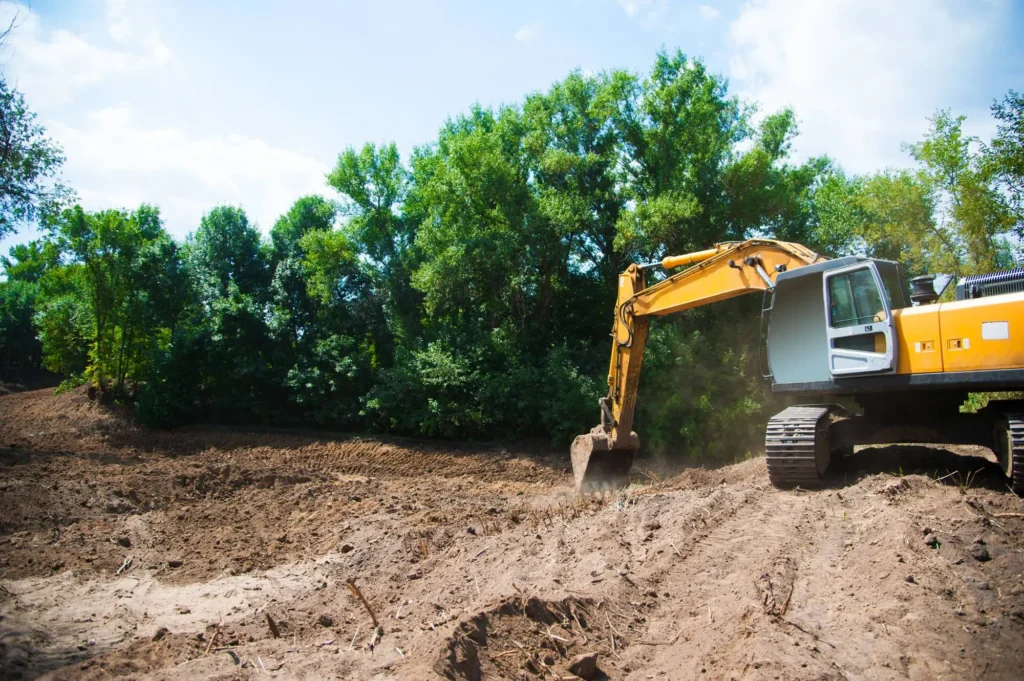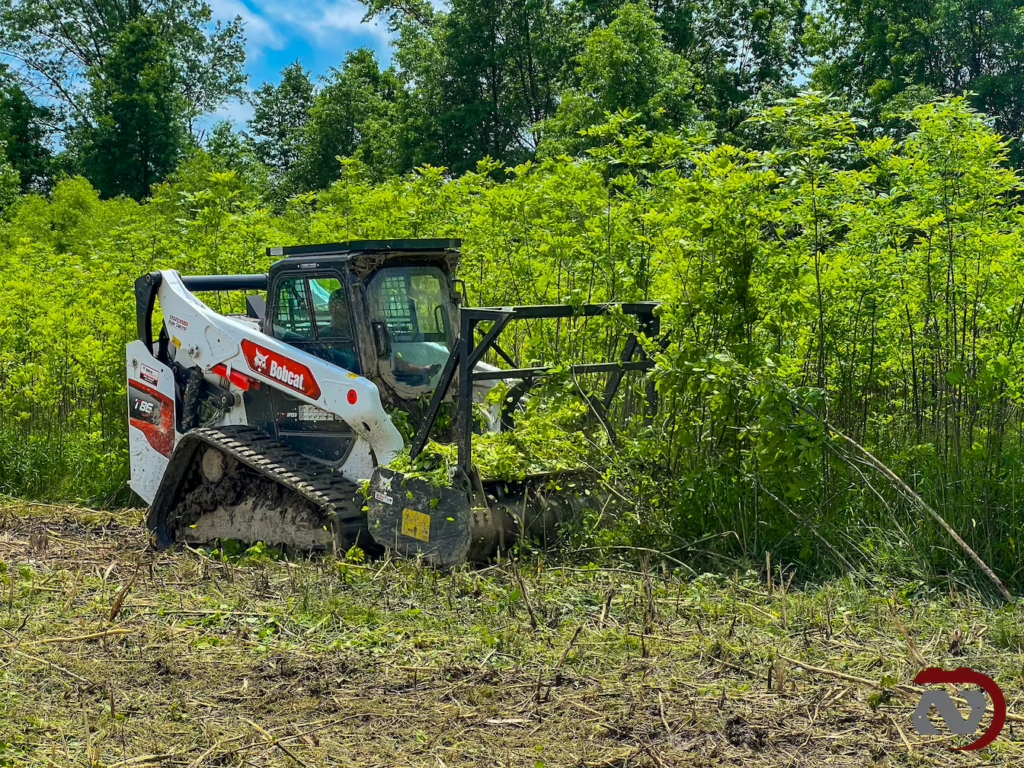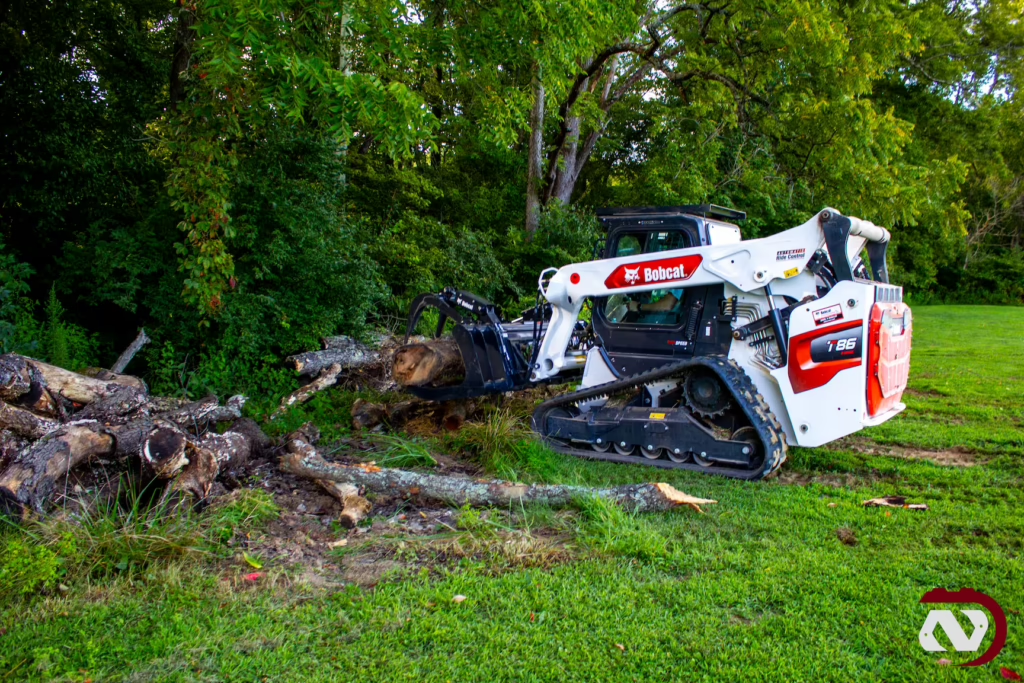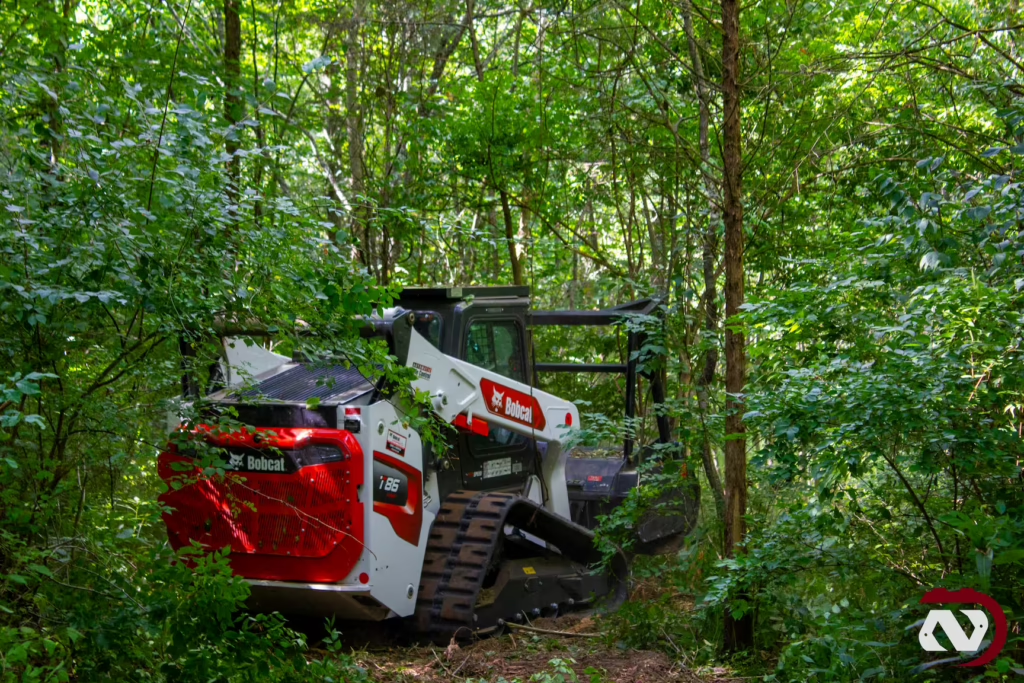
Forestry mulching clears overgrown land faster than bulldozing, protects your soil, and skips the burn piles other methods leave behind. If you’re weighing land clearing methods for a property in Cincinnati or Northern Kentucky, this eco-friendly process saves you time, money, and cleanup work on almost every job we run.
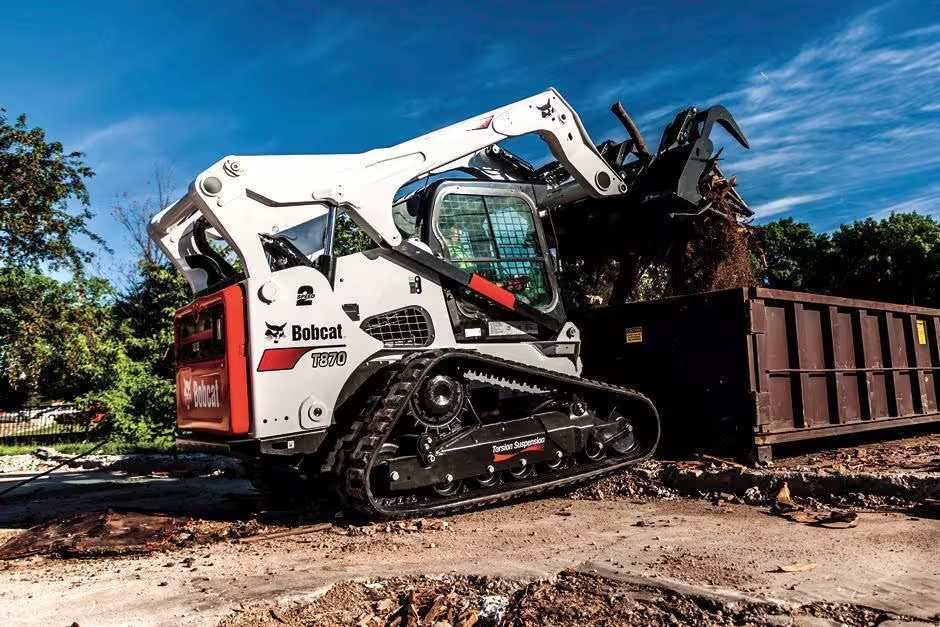
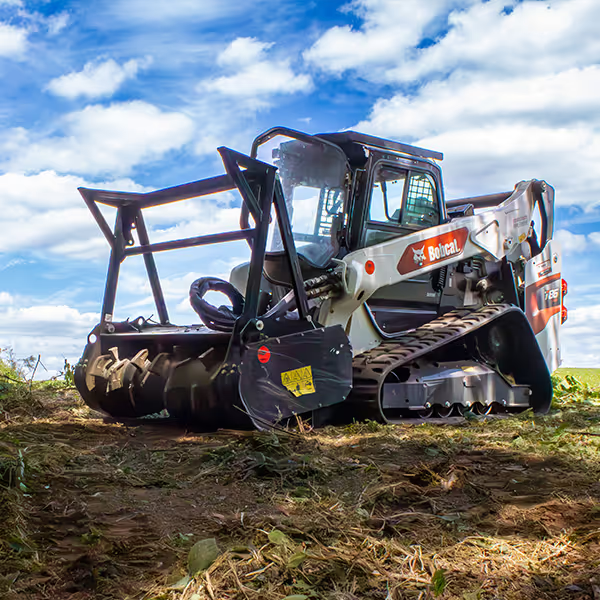
We run a Bobcat-mounted forestry mulcher on most residential lots because it grinds brush, saplings, and small trees into mulch right where they stand. No hauling. No burn pile. No bare dirt left behind. Here’s why that matters for your property.
What Is Forestry Mulching?
Forestry mulching is a land clearing method that uses a rotating drum with steel teeth to grind trees, brush, and vegetation into fine mulch on site. Instead of pushing debris into piles for hauling or burning, the machine turns unwanted growth into a protective ground cover in one pass. It works well on lots from a quarter acre to dozens of acres. See our full land management and earthworks services for everything from small overgrown yards to larger acreage clearing.
Pro Tip: Ask your contractor if their mulcher head can handle trees up to 8 inches in diameter. Smaller machines bog down on mature growth, which slows your project and drives up cost.
The Environmental Benefits of Forestry Mulching
Better Soil Health From Day One
Traditional clearing methods scrape topsoil away along with the vegetation. Forestry mulching leaves that mulch layer behind, and it breaks down into organic matter that feeds the soil instead of stripping it. On brush-heavy Cincinnati-area lots, our crews often see homeowners use that leftover mulch bed directly as a base for new landscaping, skipping the cost of trucking in fresh topsoil. The mulch holds moisture and slowly composts right where the vegetation used to grow, rather than becoming a truckload of waste headed to a landfill.
Did You Know? A single acre of mulched vegetation can return several tons of organic material back into the ground, cutting down on the need for added compost or topsoil before planting. The USDA Natural Resources Conservation Service tracks how organic ground cover like this supports long-term soil health on properties across Ohio.
Erosion Prevention You Can See
Bare dirt washes away fast, especially on sloped lots common across the Cincinnati hills. The mulch layer left by forestry mulching acts like a blanket, holding soil in place during heavy rain until new growth takes root. That matters more here than in flatter regions, since Ohio Valley storms can move a lot of soil in a single afternoon. Homeowners planning to grade or build later often see less rework this way, since the topsoil they’ll need for that next phase hasn’t already washed into the nearest storm drain.
Keeps Invasive Species From Coming Back
Grinding invasive brush like bush honeysuckle or multiflora rose down to the root crown sets back regrowth harder than cutting alone. Ohio State University Extension has documented how aggressive these species are across Southwest Ohio, so grinding them low buys you a longer window before they take over the cleared area again.
The Cost and Time Benefits of Forestry Mulching
Faster Turnaround on Every Job
Because mulching handles clearing and debris disposal in one pass, most residential lots wrap up in one to three days. Traditional clearing usually needs separate steps for pushing, piling, hauling, and burning, which stretches the same job into a week or more. On tighter build schedules, that difference can decide whether a project breaks ground on time. Our Land Clearing guide breaks down timelines for other clearing methods if you’re comparing options.
Lower Cost With Fewer Hidden Fees
Hauling and burn permits add up fast. Forestry mulching skips both, since there’s no debris to truck off site and no open burn to schedule with the local fire department. For a mid-size residential lot, that alone can shave a real chunk off the total bid compared to bulldozer-and-haul pricing. You also avoid the equipment rental gap that shows up when a bulldozer job needs a separate excavator brought in just to load debris trucks.
The Property Benefits of Forestry Mulching
Less Noise and Disruption to Your Land
A mulcher works in a single pass with one machine, compared to the bulldozer, chainsaw crew, and haul trucks a traditional job needs. That means fewer machines on your property, less noise for your neighbors, and less compaction damage to soil you plan to build or plant on later.
A Cleaner, More Usable Property When We’re Done
Instead of bare, compacted dirt, you’re left with a mulched surface that’s walkable right away and ready for grading, seeding, or construction prep. No stump piles waiting on a second visit. This pairs well with our land management and earthworks services if your next step is grading or drainage work.
Forestry Mulching vs. Traditional Land Clearing
| Factor | Forestry Mulching | Traditional Clearing |
| Timeline | 1–3 days (typical residential lot) | 5–10+ days |
| Debris Disposal | Ground into mulch on site | Hauled off or burned |
| Soil Impact | Adds organic matter | Often strips topsoil |
| Erosion Risk | Lower (mulch layer protects soil) | Higher (bare dirt exposed) |
| Best For | Brush, saplings, overgrowth | Large mature trees, full site grading |
Forestry mulching isn’t the right call for every job. Large mature trees or sites needing full grading still call for bulldozers and excavators. For most brush-heavy Cincinnati lots, though, it’s the faster, cleaner option.
Wrapping Up
Forestry mulching gets your land cleared faster, protects your soil, and leaves you without a burn pile or hauling bill to deal with. It’s the method our crews reach for first on brush-heavy lots across Cincinnati and Northern Kentucky.
Ready to see if forestry mulching fits your property? Contact Nickell Construction Solutions for a free site assessment, and we’ll walk your land with you before any equipment shows up.
FAQ
Is forestry mulching cheaper than traditional land clearing?
Yes, in most cases. Forestry mulching skips hauling fees and burn permits, which lowers the total cost for brush and overgrowth removal on typical residential lots.
Does forestry mulching kill tree roots?
No. Mulching grinds the trunk and above-ground growth but leaves roots in the soil. For invasive species, this slows regrowth but doesn’t eliminate it completely.
How long does forestry mulching take on a residential lot?
Most lots under 5 acres take one to three days, depending on vegetation density and terrain. Larger or heavily wooded properties may take longer.
Can forestry mulching be used before construction?
Yes. Many builders in Cincinnati and Northern Kentucky use forestry mulching to clear a site before grading, since it leaves the ground more stable than bulldozer clearing.
Is forestry mulching better for the environment than bulldozing?
Generally, yes. It returns organic matter to the soil, lowers erosion risk, and avoids the emissions and mess of burning cleared debris.