Site Grading for Construction Before Winter: How to Prepare Your Land
To prepare land for construction before winter, clear the site, set the rough grade, give water a stable path, and protect exposed soil before the ground freezes. The sequence helps keep fall rain from turning a build site into a muddy, rutted delay.
What site grading for construction actually does
Site grading shapes the ground so water moves where the project plan calls for it instead of collecting beside a future foundation, driveway, or access lane. It also creates the elevations needed for excavation, drainage features, compacted base material, and the next construction phase.
Grading is not the same as making every part of a property flat. A plan may use gentle slopes, a swale, a crown, a ditch, or a stabilized outlet. The finished shape depends on the building pad, soil, access, and safe runoff destination.
Why winter changes the site-preparation plan
Fall is not a shorter version of summer. Rain can soften ground, limit access, and expose drainage problems before the first freeze. Frozen soil may limit excavation, while freeze-thaw cycles can open weak spots in bare ground.
Wet soil also needs care. University of Minnesota Extension explains that heavy equipment on wet soil can reduce pore space and limit infiltration and drainage. Moving dirt is only part of late-season earthwork; protecting the soil after the move matters too.
Before winter, the goal is not always to finish every construction step. It may be to leave stable grades, controlled runoff, safe access, and a clear starting point for spring work.
The five-step pre-winter grading sequence
1. Walk the property before choosing equipment
Start with the site, not the machine. Look at slopes, low areas, tree lines, standing water, overhead limits, utility markings, and access points. Ask where water comes from, where it goes now, and where it should go after construction.
Nickell’s published land-clearing process starts with a site walk that considers terrain, soil, environmental sensitivity, and the property’s next use before selecting a method. A machine chosen too early can create extra hauling, rework, or soil disturbance.
Use the land-clearing guide to compare clearing methods, then connect that decision to the grading and drainage work that follows.
2. Clear and protect the work limits
Remove only what the construction plan requires. Mark trees, drainage paths, and areas that should remain undisturbed. Keep equipment traffic inside planned routes, especially on wet ground.
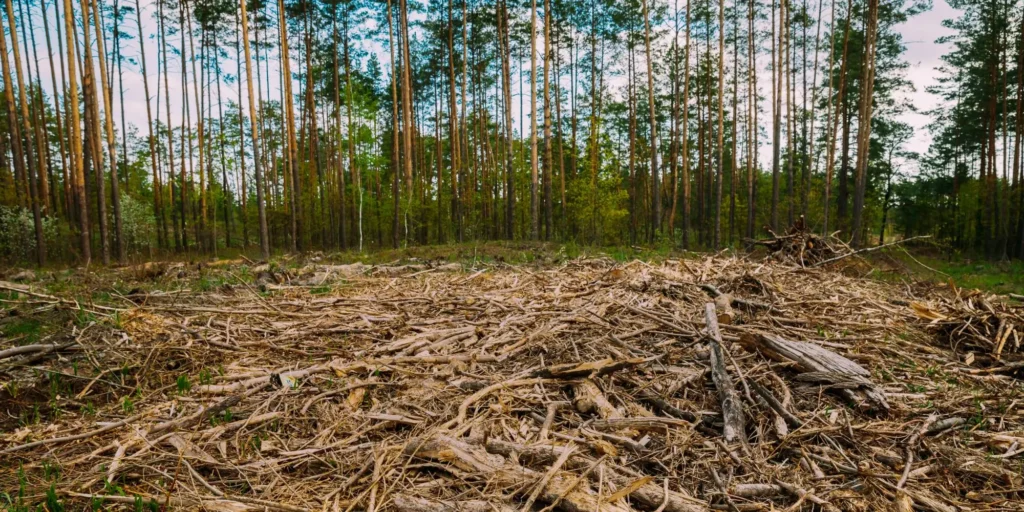
Clearing may include brush, trees, stumps, structures, or debris. Disposal affects the grade too. Piles can block runoff, while buried organic material may settle and create a soft spot under a driveway or pad.
3. Set the rough grade and drainage path
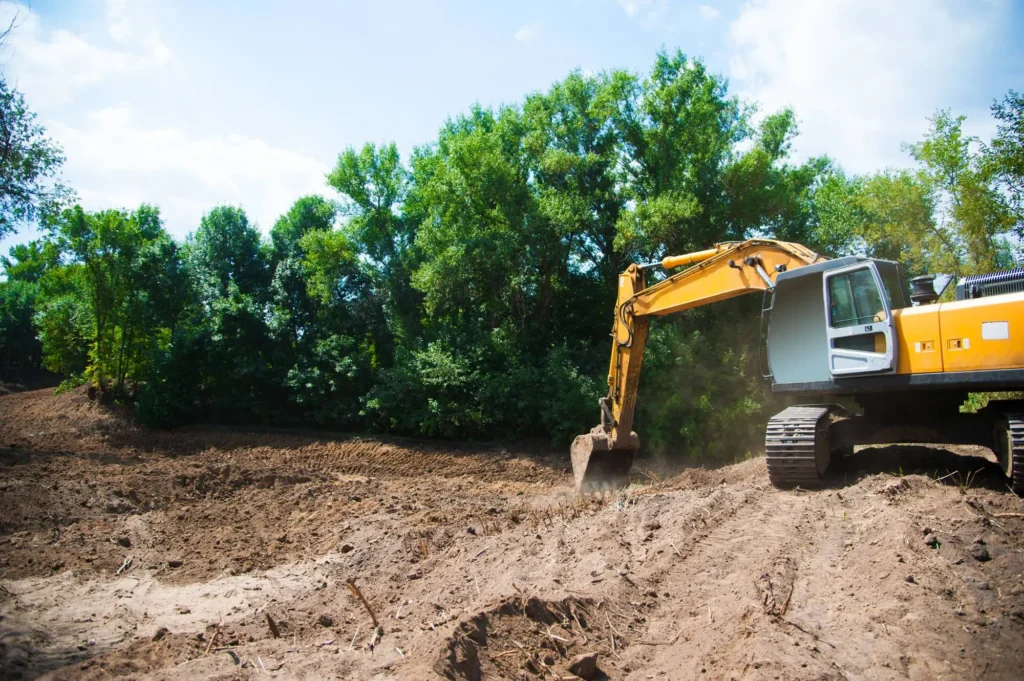
Rough grading establishes elevations for the building area, driveway, yard, and drainage features. The plan should account for runoff direction, nearby elevations, and an outlet that can receive water without causing erosion.
Features may include a shallow swale, crowned access lane, ditch, culvert, or subsurface drainage. The right choice depends on the site. A low area needs a different solution from water moving toward a foundation or across a steep slope.
Nickell lists precise grading, drainage improvements, and driveway installation in its Landworks & Earthworks services. A good grade should support the pad, road, drainage route, or yard that follows.
4. Stabilize exposed soil before weather closes in
Freshly graded soil is vulnerable to rain and runoff. Depending on the project, protection may include seed and mulch, erosion-control blanket, straw, stone, a stabilized construction entrance, diversion measures, or another approved practice. The right choice depends on the slope, soil, time of year, and construction schedule.
Ohio EPA’s Rainwater and Land Development standards cover stormwater management, soil stabilization, erosion controls, runoff conveyance, and sediment controls. The manual is technical guidance, not a substitute for a site-specific design or permit review.
5. Check access and the handoff to construction
Before the crew leaves, check whether trucks and equipment can reach the site without crossing soft ground or damaging the grade. Confirm that water has a stable route, the entrance is usable, and the planned pad is not holding runoff.
A property can be graded correctly but still be hard to use if the access lane was not built for wet weather, the drainage outlet is unfinished, or the next contractor lacks a clear record of completed work.
Common Cincinnati-area conditions that affect the plan
Slopes and rolling ground
Hillside sites need more than a level-looking pad. The plan may balance cut and fill, protect the toe of a slope, and slow runoff before it reaches a lower property or waterway.
Wet or clay-heavy soil
Work may need to pause after heavy rain rather than force equipment across saturated ground. Driving through wet soil can leave ruts, smear the surface, and compact deeper layers. Ask how traffic and staging will be managed.
Narrow or unfinished access
Fences, trees, utility lines, or narrow driveways can limit equipment choices. A winter plan should account for turning space, truck access, and deliveries without damaging the new grade.
Permits, wetlands, and stormwater questions
Do not assume a small-looking grading job has no regulatory questions. The Ohio EPA Stormwater Program says a project that disturbs one or more acres, or is part of a larger common plan that will ultimately disturb one or more acres, must obtain stormwater discharge permit coverage. Smaller projects may still involve local requirements, wetlands, streams, or other approvals.
Ohio EPA describes the process as including a Stormwater Pollution Prevention Plan, a Notice of Intent, approval before coverage, and maintenance of erosion and sediment controls. Check current requirements before dirt moves.
If wetlands or regulated waters may be involved, Nickell’s wetlands management and compliance team page outlines its environmental planning and agency-coordination services. Raise that question during planning, not after a drainage path has been disturbed.
When should you schedule site grading before winter?
Start before the first hard freeze. The right window depends on rainfall, soil moisture, project size, equipment access, permits, and how much clearing or drainage work comes first. A short residential job may fit a favorable window, while a wooded or sloped property may need more time.
Ask for a site review early if a driveway, foundation, septic area, drainage feature, or spring construction date depends on the grade. Early planning reduces decisions during a muddy or frozen work window.
Frequently asked questions
Can site grading be done in winter?
Site grading can sometimes be done during winter, but frozen or saturated soil may limit excavation, compaction, and access. A contractor should review weather, soil moisture, equipment routes, and the required finish before promising a winter start.
Does land clearing happen before grading?
Land clearing usually happens before rough grading, because trees, stumps, brush, and debris can block the planned elevations. The disposal plan should be settled before grading so piles do not interfere with drainage or future construction areas.
How do I keep graded soil from washing away?
Protect graded soil with a site-appropriate cover or erosion-control practice, direct runoff to a stable outlet, and limit traffic on wet ground. The right measure depends on slope, soil, timing, and Ohio requirements.
What should I ask a grading contractor before winter?
Ask how the crew will read the site, protect areas that remain, manage wet soil, route runoff, stabilize exposed ground, and leave access ready for the next phase. Also ask which permits or environmental reviews may apply before work begins.
Get your site ready for the next phase
Good site grading for construction is a water-management decision as much as a dirt-moving decision. Before winter, the work should leave the property with usable elevations, a clear runoff path, protected soil, and access that supports the next contractor. For Cincinnati-area and surrounding Tri-State properties, Nickell Construction Solutions can review the landworks, grading, drainage, and clearing sequence with you. A site conversation can identify access limits, wet areas, drainage questions, and the work that should happen before the next phase. That early review gives the next contractor a cleaner handoff and a better chance to use the remaining weather window. Request a site conversation with Nickell Construction Solutions before the weather closes your best work window.