Land clearing is the process of removing trees, brush, stumps, debris, and other obstacles to prepare raw land for construction, farming, or development. There are five primary land clearing methods — forestry mulching, bulldozing, cut and grind, hand clearing, and controlled burning — and the right choice depends on your soil type, lot size, terrain, and what you plan to build. Getting this decision wrong costs time and money. Getting it right is what separates a smooth project from a frustrating one.
Before we explore each method in detail, here’s what most homeowners don’t realize: the method that works on sandy Georgia soil can fail completely on the clay-heavy terrain common throughout Cincinnati and Northern Kentucky. At Nickell Construction Solutions, we’ve watched more than a few property owners try to specify a method before we’ve even walked the site — and we’ve had to reroute those plans more often than you’d expect. That’s why this guide starts with the land, not the equipment.
What Questions Do Homeowners Ask Before Starting Land Clearing?
The three most common questions we hear before any project kicks off are: How much will this cost? How long will it take? And do I need a permit? We’ll answer all three. But first, you need to understand the methods, because the answers to all three questions change depending on which approach fits your land.
The 5 Main Land Clearing Methods Explained
What is the best method for land clearing? The best method depends on your property’s size, vegetation density, soil type, and intended use. Here’s a breakdown of each approach.
Forestry Mulching
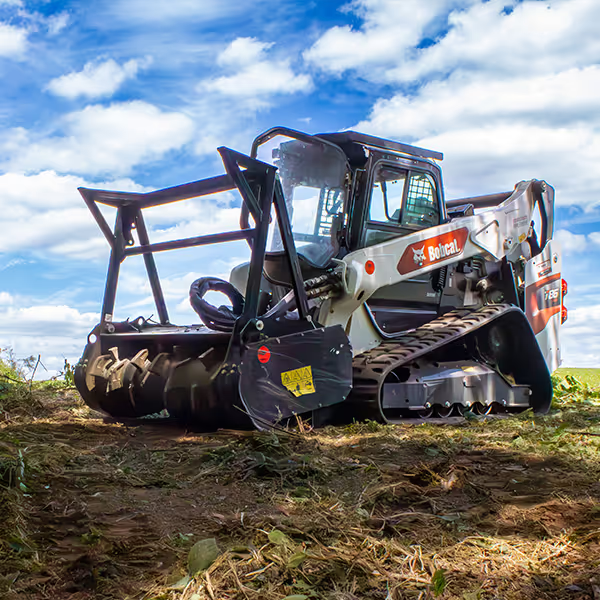
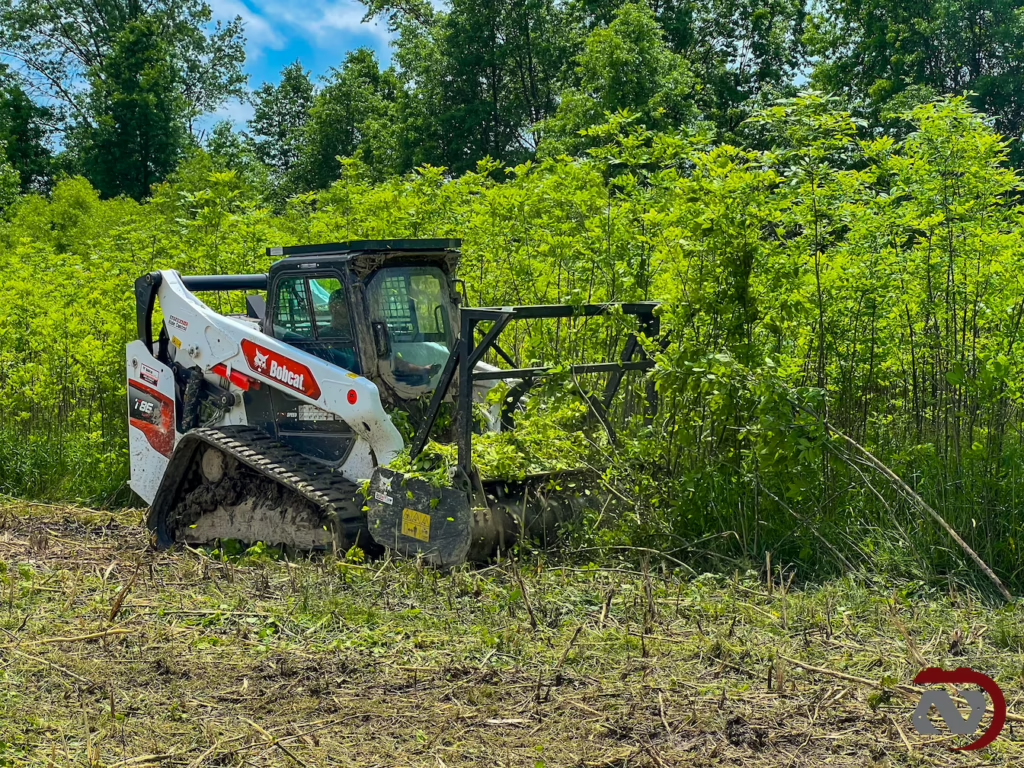
Forestry mulching uses a single machine — typically a skid steer with a forestry mulcher attachment or a dedicated mulching head — to grind trees, brush, and stumps directly into mulch on-site. The mulch layer stays on the ground, protecting the soil from erosion and adding organic matter back into it.
This is one of the fastest and most environmentally responsible methods available. There are no debris piles to haul away, no burning, and no heavy soil disruption. For properties in Ohio and Northern Kentucky with moderate to dense brush and smaller-diameter trees, forestry mulching is often the smartest starting point.
Pro Tip: Forestry mulching works well on slopes and uneven terrain where bulldozers would struggle. If your lot has rolling terrain or creek edges, ask specifically about this method. It preserves topsoil structure that other methods destroy.
One important caveat: forestry mulchers handle trees up to about 10–12 inches in diameter efficiently. For mature hardwoods over that size, you’ll need a different approach or a combination of methods.
Bulldozing and Excavation
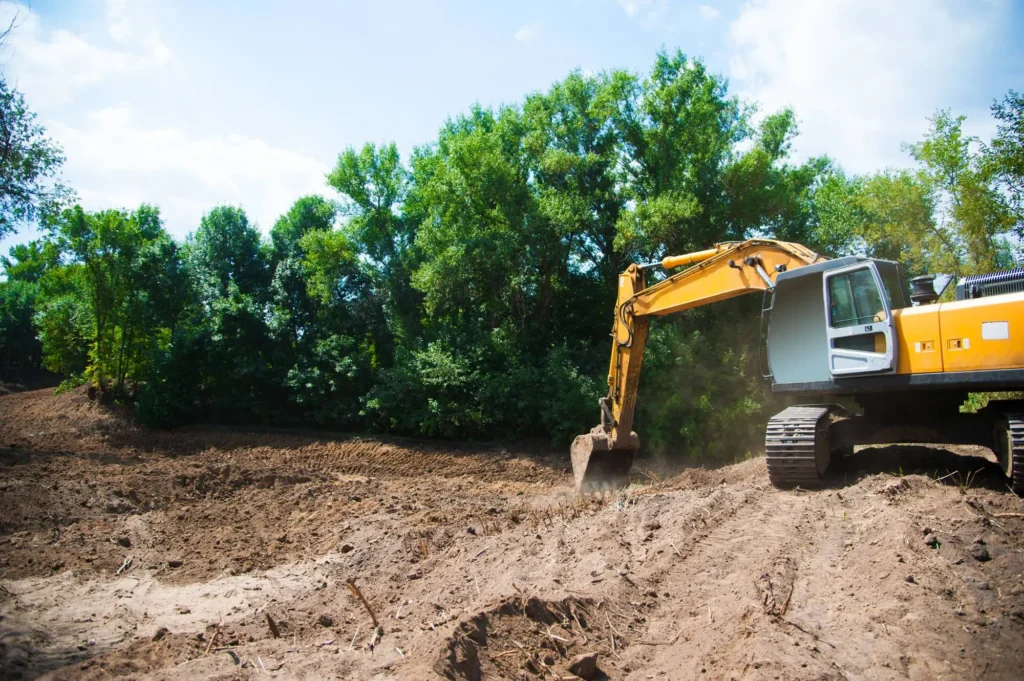
This is the traditional approach — heavy equipment pushes trees, stumps, and debris into windrows, which are then hauled off or burned (where local ordinances allow). Bulldozers and track excavators handle large-diameter trees, rocky terrain, and deep stump removal better than any other method.
The trade-off is significant ground disturbance. Bulldozing strips away topsoil and can create drainage problems if the site isn’t re-graded properly afterward. For properties in the Cincinnati area where the natural drainage patterns matter — especially near any low-lying or seasonally wet areas — we always pair bulldozing with a grading plan. Proper drainage planning is a critical next step once your land is cleared — something we address on every project before equipment leaves the site.
Cut and Grind (Selective Clearing)
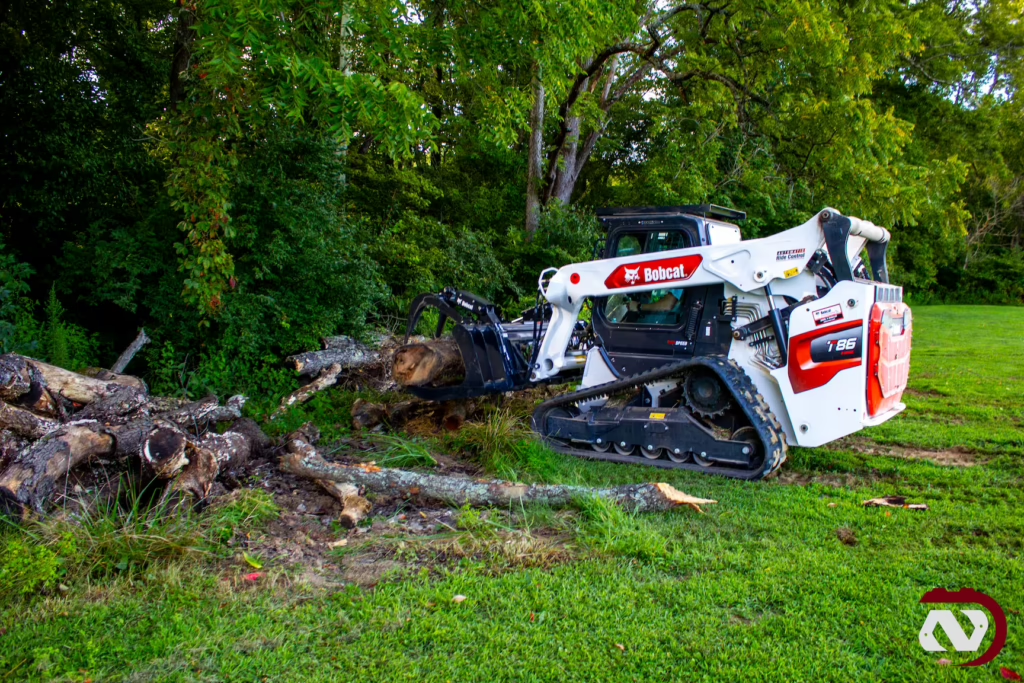
Cut and grind means trees are felled by chainsaw, stumps are removed with a stump grinder, and brush is chipped or hauled. This method is slower but allows for the most precision — you keep the trees and vegetation you want and remove only what’s in the way.
It’s the right approach when you’re working near property lines, protecting mature trees on a wooded lot, or doing phased development where only a portion of the land needs clearing right now.
Did You Know? Selective clearing can add measurable value to a residential property. Mature trees that are preserved — rather than cleared — increase property value. Studies from the USDA Forest Service show that mature trees can add 10–15% to residential property value when preserved thoughtfully during development.
Hand Clearing
Hand clearing relies on manual labor — loppers, chainsaws, hand tools — to remove lighter vegetation. This is rarely the primary method for large land clearing jobs, but it’s valuable for clearing near wetland buffers, around existing structures, or in areas where machinery can’t safely operate.
Because Nickell Construction Solutions is also certified in wetlands management and compliance, we use hand clearing as part of a hybrid approach whenever a project touches protected areas or requires careful vegetation management near sensitive zones.
Controlled Burning
Where permitted, controlled burning can eliminate brush and organic debris quickly and cheaply. Ohio regulations restrict open burning significantly, and most municipalities in the Cincinnati area prohibit it entirely. Northern Kentucky rules vary by county. In practice, very few residential or commercial land clearing projects in our service area use this method. We mention it for completeness, but it’s rarely a practical option locally.
Land Clearing Equipment: What Gets the Job Done
Understanding the equipment helps you evaluate a contractor’s proposal and know whether they’re right for your specific job.
The equipment used most often in our region includes:
Forestry mulchers (mounted on Bobcats or dedicated carriers) for brush, saplings, and medium trees. Track excavators for large tree removal, stump pulling, and debris loading. Bulldozers for bulk pushing and rough grading on larger commercial sites. Stump grinders for clean stump removal without disturbing surrounding soil. Dump trucks and trailers for debris haul-away when mulching isn’t the method.
Did You Know? Steel-track excavators and Bobcats are preferred over wheeled equipment on Ohio’s clay soils because tracks distribute weight over a larger footprint — significantly reducing ruts and soil compaction on wet or soft ground.
For a more detailed look at the equipment and services we bring to every job, visit our Landworks & Earthworks service page.
How Much Does Land Clearing Cost?
Land clearing costs in the Cincinnati and Northern Kentucky market typically run between $1,500 and $6,500 per acre for light-to-moderate brush and tree coverage using forestry mulching. Heavily wooded acreage requiring bulldozing and haul-away can run $3,000–$10,000 per acre depending on timber density and debris disposal costs.
Key cost factors include lot size, terrain steepness, tree diameter and density, the method required, and whether debris needs to be hauled off-site. Forestry mulching is often less expensive than bulldozing because it eliminates the haul-away cost entirely.
Pro Tip: Always get a per-acre quote and a total project estimate. A low per-acre rate on a heavily wooded lot can still produce a high total once debris removal, stump grinding, and re-grading are factored in. Ask contractors to itemize every phase.
How Long Does Land Clearing Take?
A typical 1-acre residential lot with moderate brush and light tree coverage takes 1–3 days to clear using a forestry mulcher. Dense wooded acreage requiring bulldozing and full haul-away runs closer to 3–7 days per acre. Add 1–2 weeks if permits are required before work can begin.
Terrain matters enormously here. Steep slopes, drainage issues, or proximity to wetlands all add time.
Do You Need a Permit for Land Clearing in Ohio?
In many cases, yes. Ohio and its municipalities regulate land clearing at several levels. The Ohio EPA requires erosion and sediment control plans for land disturbing activities over one acre. Hamilton County and many Cincinnati-area municipalities require grading permits for significant earthwork. Properties near wetlands, floodplains, or streams trigger additional Army Corps of Engineers and Ohio EPA review — even for work that doesn’t physically touch the water.
The honest answer is that permit requirements depend on your lot size, location, proximity to water, and the scope of work. Trying to skip permits is a costly mistake — stop-work orders, fines, and mandatory restoration add up fast. For properties with any environmental sensitivity, our wetlands management and compliance team can assess what approvals you need before you break ground.
Did You Know? In Ohio, clearing land near a designated wetland without proper authorization can result in fines from the Army Corps of Engineers and mandatory restoration orders — restoration costs often exceed the original project cost.
Compliance Considerations Before You Clear
Beyond permits, a few compliance checkpoints matter for every project:
Verify your property boundaries before any clearing begins — disputes over cleared neighbor’s trees are expensive and avoidable. Check for any deed restrictions or HOA rules that limit tree removal. If your property sits near a creek, pond, or seasonal drainage swale, assume a wetland buffer zone applies until confirmed otherwise. For commercial clearing, an NPDES permit for stormwater may be required.
We walk every client through this checklist before we schedule equipment. It adds a day to the planning phase and saves weeks on the back end.
Choosing the Right Land Clearing Contractor
The lowest bid isn’t always the best value. Here’s what to verify before you hire:
The contractor should be licensed and fully insured in Ohio and/or Kentucky. They should walk your site before quoting — a phone quote without a site visit is a red flag. Ask specifically whether their proposal includes stump treatment, debris disposal, and re-grading, or whether those are separate line items. Ask how they handle property near wetlands or drainage areas. And ask for references from similar jobs in your county — local knowledge of soil, terrain, and permit offices matters.
Ready to Start Your Land Clearing Project?
Every land clearing project begins the same way at Nickell Construction Solutions: a site walk. We look at the terrain, assess soil conditions, check for any environmental sensitivities, and match the right method to your land before we quote a price or schedule equipment. That’s how you avoid surprises, and how we’ve built a track record our Cincinnati and Northern Kentucky clients trust.
Contact us for a free site assessment at nickellconstructionsolutions.com/contact-us or call 513-822-4023. Bring your project to us before the first machine rolls — it’s the most valuable step you can take.

Frequently Asked Questions
What are the main methods of land clearing?
The five primary land clearing methods are forestry mulching, bulldozing, cut and grind (selective clearing), hand clearing, and controlled burning. The best method for your property depends on terrain, tree density, soil type, and intended use after clearing.
How much does land clearing cost per acre in Ohio?
Land clearing in the Cincinnati and Northern Kentucky area typically costs $1,500–$6,500 per acre for forestry mulching on light-to-moderate brush. Heavily wooded lots requiring bulldozing and debris haul-away can run $3,000–$10,000 per acre depending on tree density and disposal costs.
Do you need a permit to clear land in Ohio?
In many cases, yes. The Ohio EPA requires erosion control plans for sites over one acre, and local municipalities often require grading permits for significant earthwork. Properties near wetlands, floodplains, or streams trigger additional review by the Ohio EPA and Army Corps of Engineers.
How long does it take to clear one acre of land?
A one-acre residential lot with moderate brush and light trees typically takes 1–3 days using a forestry mulcher. Dense, heavily wooded acreage requiring bulldozing and haul-away can take 3–7 days per acre, not counting any permitting time required before work begins.
What is the difference between forestry mulching and traditional land clearing?
Forestry mulching grinds vegetation into mulch on-site with a single machine, preserving topsoil and eliminating debris removal costs. Traditional clearing (bulldozing) pushes trees and stumps into piles for hauling or burning, which causes more soil disturbance but handles larger trees more efficiently.